Move Agentic Workflows to Production with Control

Understand how workflows behave across real systems — and apply control before they impact production.

  • See full workflow behavior end-to-end

  • See full workflow behavior end-to-end

  • Understand dependencies across tools and systems

  • Apply guardrails before risky behavior reaches prodction systems

Building the Workflow Is Easy.
Trusting It Is Not.

Most teams can get an agentic workflow working in a prototype. The challenge is knowing if it’s safe, reliable, and ready for real systems.

Before production, teams need clear answers:

  1. What does this workflow actually do, end to end?

  2. What tools and MCP servers does it depend on?

  3. What systems can it reach?

  4. What happens when it does something unexpected?

  5. What should be allowed before it touches production data?

  1. What does this workflow actually do, end to end?

  2. What tools and MCP servers does it depend on?

  3. What systems can it reach?

  4. What happens when it does something unexpected?

  5. What should be allowed before it touches production data?

  1. What does this workflow actually do, end to end?

  2. What tools and MCP servers does it depend on?

  3. What systems can it reach?

  4. What happens when it does something unexpected?

  5. What should be allowed before it touches production data?

That is the production gap.

Developers move faster than governance can keep up

Teams want to use Cursor, Claude, Copilot, MCP servers, and agentic workflows now — but security and platform teams are still trying to catch up

Why Agentic Workflows Get Stuck Before Production

Tool and MCP usage is hard to see clearly

Organizations often do not know what external tools, MCP servers, or system capabilities are being introduced through AI-native workflows

AI-assisted workflows can affect real systems too quickly

Suggested code, tool calls, or generated workflows can get close to production systems before teams fully understand the implications

Controls often break the developer workflow

Many governance approaches require developers to leave their native environment or work around controls that were not built for AI-assisted development

Nobody has the full picture

Engineering built it. Security hasn’t reviewed it. Platform doesn’t know what it connects to. Each team has a fragment. Nobody has the end-to-end view needed to make a production decision — so the decision doesn’t get made.

Sandbox behavior ≠ production behavior

What the agent does when it runs against real systems, real data, and real permissions often diverges from what it did in the sandbox. Most teams discover this after shipping, not before.

Approval becomes a multi-team standoff

Engineering wants to ship. Security wants to review. Platform needs infrastructure clarity. Without a shared view of what the workflow actually does, this conversation doesn’t resolve — it stalls. Prototypes age out before they ever ship.

Controls arrive too late or break too much

Teams either over-restrict the workflow early (“block everything we’re uncertain about”) and kill the use case, or they discover behavior gaps only after the workflow is already running in production.

Every step, every dependency, every system touched — in sequence, before it ships.
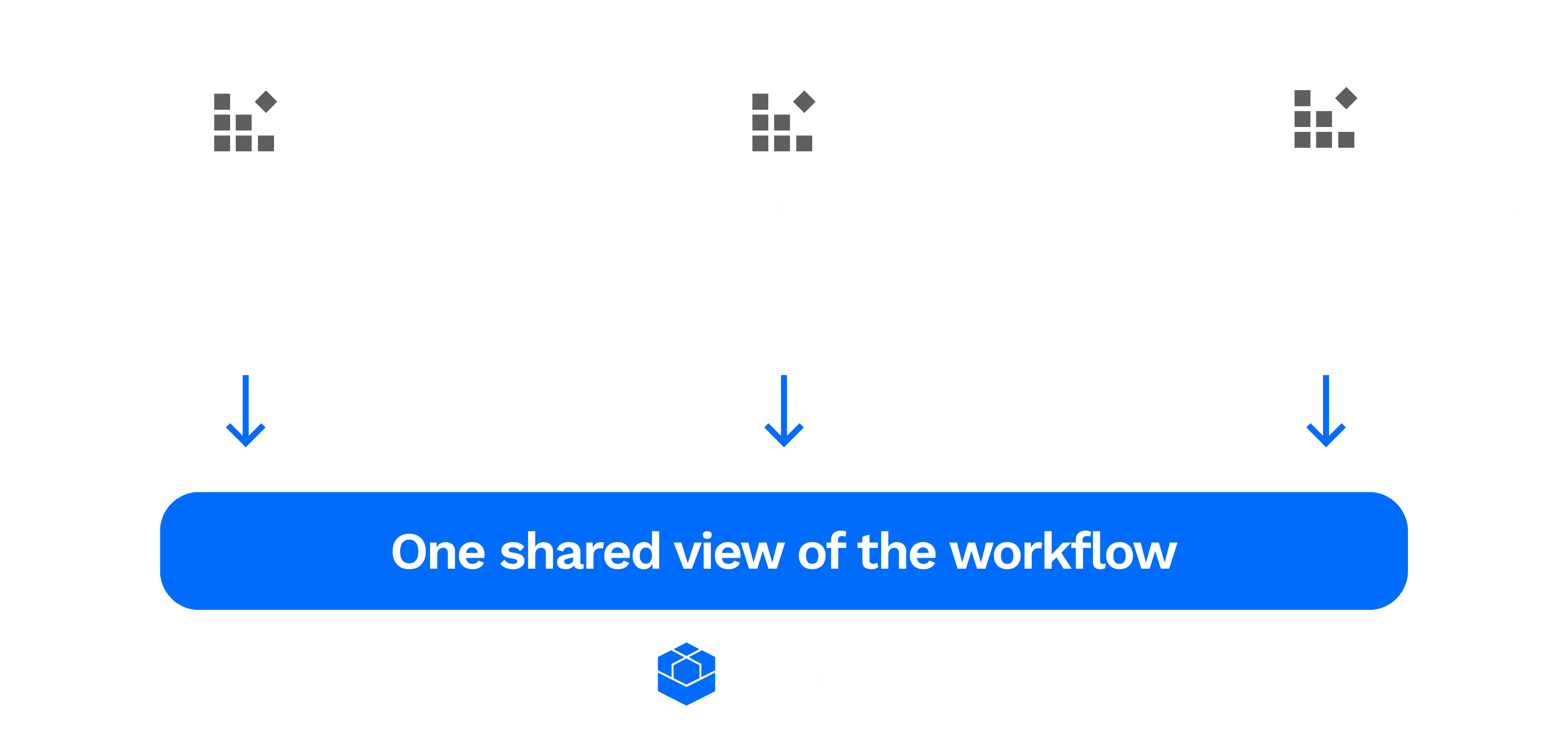
Developers move faster than governance can keep up

Teams want to use Cursor, Claude, Copilot, MCP servers, and agentic workflows now — but security and platform teams are still trying to catch up

What BlueRock Helps Teams Validate Before Production

What You Need to Validate Before Production

BlueRock helps teams validate what an agentic workflow actually does before they trust it in production.

Understand exactly what a workflow does before it runs against real systems.

Tool and MCP usage is hard to see clearly

Organizations often do not know what external tools, MCP servers, or system capabilities are being introduced through AI-native workflows

AI-assisted workflows can affect real systems too quickly

Suggested code, tool calls, or generated workflows can get close to production systems before teams fully understand the implications

Controls often break the developer workflow

Many governance approaches require developers to leave their native environment or work around controls that were not built for AI-assisted development

Workflow path

Workflow Behavior

How the workflow progresses from model output to agent decisions, tool usage, and downstream actions

See how the workflow executes end-to-end across agents, tools, and systems

Tool and MCP dependencies

Dependencies and Reach

What the workflow relies on and what those dependencies can actually do

Understand what tools, MCP servers, and systems it relies on and what they can access

Agent behavior

Agent Actions

What actions the agent took, in what order, and with what effect

See what actions are taken, what data is accessed, and what changes are made

System activity

System Impact

Commands, files, processes, network calls, and external system interactions

Track downstream effects across APIs, infrastructure, and data stores

Guardrail coverage

Where controls are in place and where higher-risk behavior may still need constraints

Move from Prototype to Production with Control

Understand how workflows behave — and control what they do before they reach real systems.
Control at Execution Without Breaking Workflows

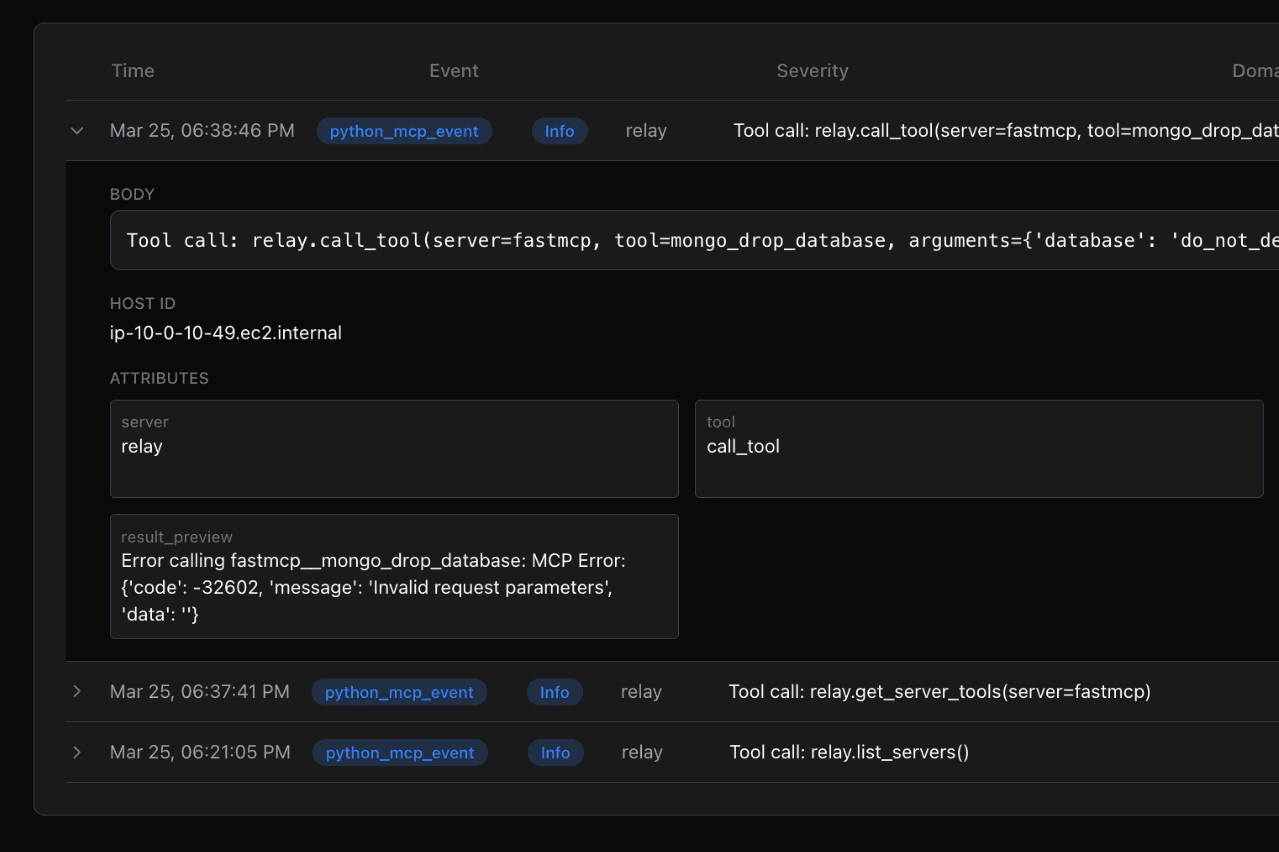
Traditional controls operate before or after execution. Agentic workflows require control at the moment actions happen. BlueRock applies guardrails: -At execution, not just at the request - Across tools, systems, and runtime behavior - Without forcing developers out of their workflow - Seeing it before it reaches production is the difference between a production incident and a precision guardrail.

Control at Execution Without Breaking Workflows

Traditional controls operate before or after execution. Agentic workflows require control at the moment actions happen. BlueRock applies guardrails: -At execution, not just at the request - Across tools, systems, and runtime behavior - Without forcing developers out of their workflow - Seeing it before it reaches production is the difference between a production incident and a precision guardrail.

Control at Execution Without Breaking Workflows

Incorporate trust signals into execution decisions so teams can evaluate which tools, MCP servers, and components are appropriate to use. Support safer execution by aligning guardrails with verified ownership, capability definitions, and trust posture.

Who Owns Production Readiness

Shipping agentic workflows safely requires coordination across teams.

Engineering

Ship workflows faster with visibility into what actually runs

Security

Understand behavior and control risk before it reaches production

DevOps / Platform Engineering

Track how workflows interact with systems and infrastructure

Leadership

Ensure workflows meet production standards before they scale

Turn Agentic Workflows Into Something the Business Can Trust

Turn Agentic Workflows Into Something the Business Can Trust

Turn Agentic Workflows Into Something the Business Can Trust

Common Questions

Do we need to modify our agent or workflow to get BlueRock observability?

No code changes to the agent are required. BlueRock connects at the execution layer — you don’t instrument the agent, add logging hooks, or change how the workflow is built. It observes what’s actually happening, not what the agent reports about itself.

Can BlueRock trace multi-agent workflows where one agent spawns sub-agents?

Yes. BlueRock’s durable agent identifier persists across the full action path, including agent-to-agent delegation. When a parent agent spawns a sub-agent, BlueRock traces what was delegated, what the sub-agent did with it, and how that propagated downstream — giving you the complete picture across the entire chain.

What’s the performance impact of BlueRock tracing a live agentic workflow?

Observability runs alongside execution — it doesn’t sit in the critical path in a way that meaningfully affects workflow performance.

How does this integrate into the development workflow without slowing teams down?

The Trust Context Engine integrates directly into CI/CD pipelines, allowing teams to classify tools, attach trust metadata, and establish governance signals during build and deployment. Developers can move quickly with confidence that trusted context is already in place before agents reach production systems — without requiring manual review at runtime.

We’re still in prototype phase — is this the right time to bring BlueRock in?

Prototype is often the right time. Understanding what your workflow actually does before production makes the production approval conversation faster — you arrive with a behavior trace, not a description of what you think it does. Teams that instrument early spend significantly less time in the multi-team standoff.