Operate Agentic Systems Without Losing Reliability
BlueRock gives DevOps teams the visibility and control needed to understand how agent behavior unfolds across tools, MCP servers, and connected infrastructure — so they can keep production systems reliable as execution paths are created at runtime.

Problems



How BlueRock Solves
Latest articles


Common Questions
For Developer Operations and Platform Operations Teams
How does BlueRock give DevOps teams visibility into production agent behavior?
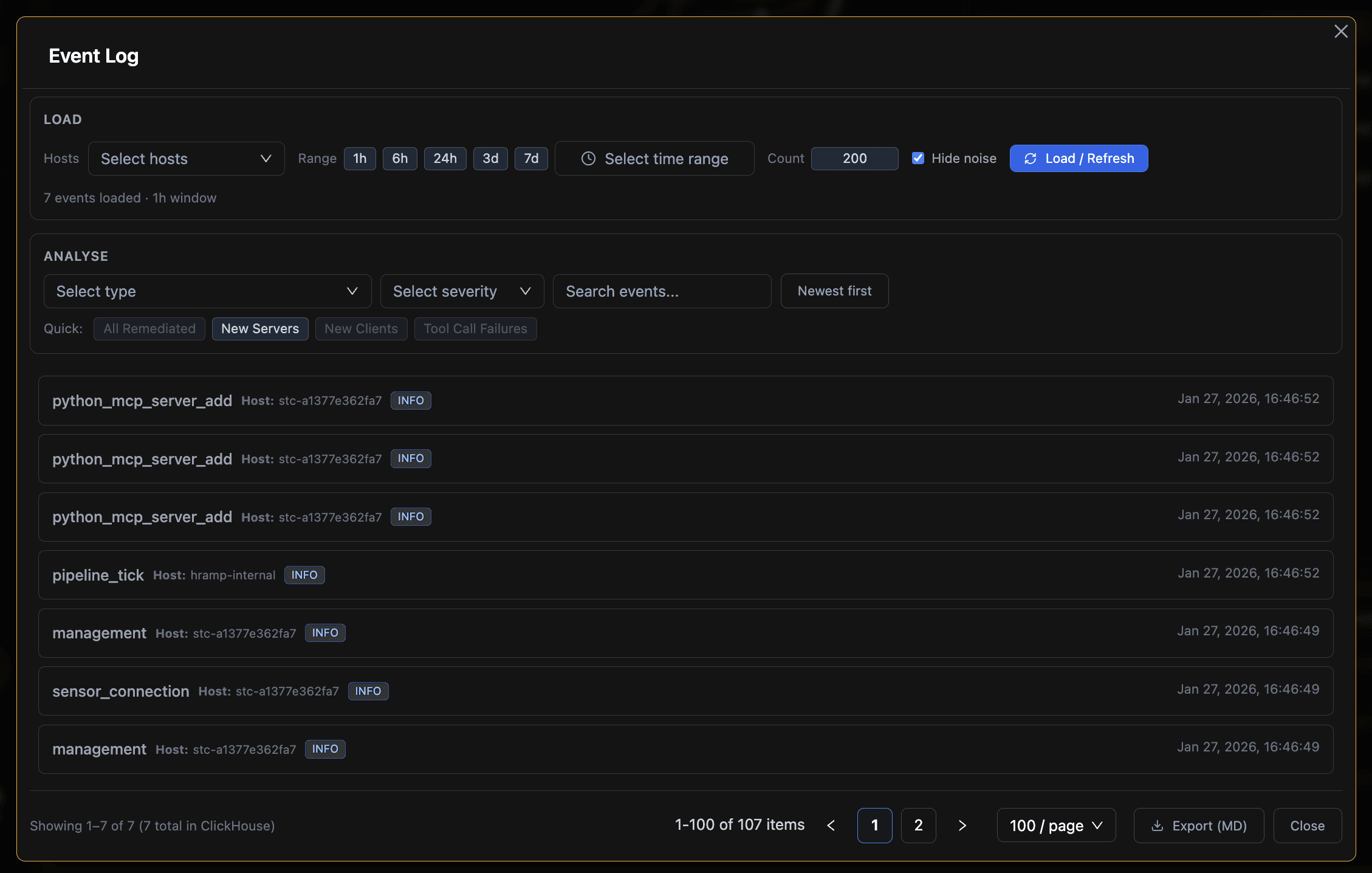
BlueRock provides real-time execution observability across the full Agentic Action Path — from model decision through tool calls, MCP server interactions, and downstream infrastructure. DevOps teams can see how agent decisions translate into actions, how execution propagates across systems, and where failures originate. Root cause isolation that previously took hours is reduced to seconds by tracing the complete execution graph rather than stitching logs from fragmented services.
How does BlueRock help trace cascading failures across multi-agent systems?
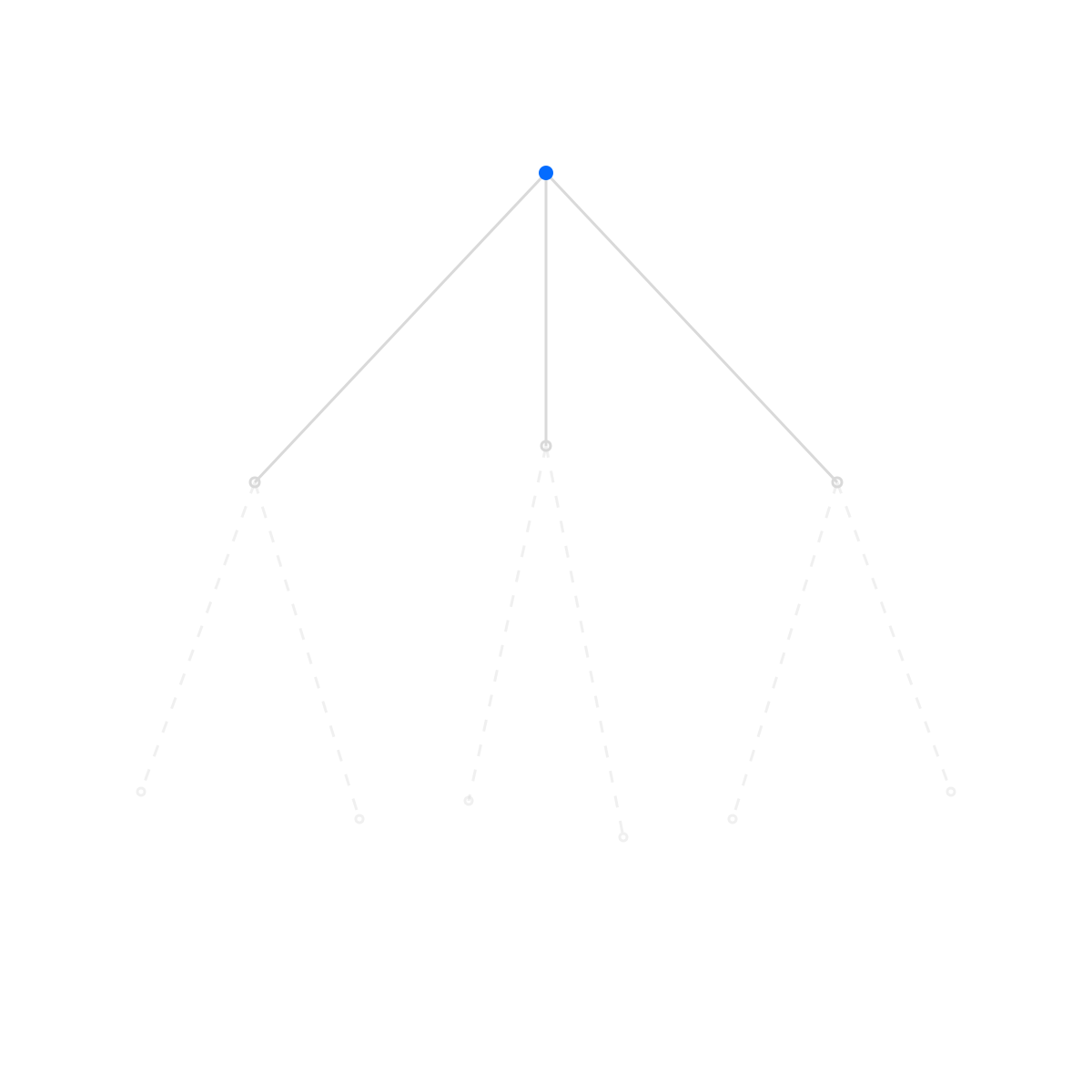
BlueRock's Execution Graph Visualization maps how actions propagate across agents, tools, MCP servers, and downstream components — showing the full sequence, ownership, and causal chain for any execution. When a multi-agent system fails, teams can follow the path from the triggering decision to the downstream impact without manually correlating logs across services. This is especially valuable when a supervisor agent introduces unexpected looping or delegation patterns.
Can BlueRock Trust Context signals be used in CI/CD pipelines?
Yes. BlueRock exposes Trust Context signals — agent identity, capability metadata, MCP server trust ratings, and runtime behavior — that can be integrated into CI/CD pipelines, approval workflows, and deployment automation. Teams can gate deployments on trust posture, surface execution context in pull request checks, or trigger automated review based on behavioral signals observed during testing.
Does BlueRock require code changes to instrument agent workflows?
No. BlueRock can be activated with zero application code changes or with a single CLI command. Deployment via CloudFormation takes under 5 minutes. Observability and Trust Context enrichment begin immediately without requiring modifications to existing agent code, MCP server configurations, or infrastructure.
How does BlueRock help DevOps teams attribute cost and resource usage to specific agents?
BlueRock assigns durable agent identifiers that persist across every step of the Agentic Action Path — tool calls, MCP server interactions, and downstream execution. This makes it possible to attribute tool usage, execution volume, and downstream resource impact to specific agents and workflows, giving DevOps teams clear ownership signals rather than undifferentiated aggregate usage data.